This page is a draft at this point. Its goal is to hold all info about diagramming, that we think is valuable for our customers. Subscribe to the page if you want to stay in the loop.
This research page may contain unfinished or unconfirmed info!
This is a research page. Seibert Media uses research pages to prepare relevant topics and gather information about stories we want to run. Such research pages often evolve over a long period of time without quality assurance and cross-checking from our business experts. While all web content should be consumed cautiously, this page may still contain unconfirmed or unfinished information. Please use the live chat or a contact form on this page to help us improve it. Please ask us if you're unsure. We're happy to help if we can. Your interaction also helps us gauge interest in this research page, so don't hesitate to contact us.
Keywords: Diagramming, Diagrams in UML, Information visualization
Flowcharts
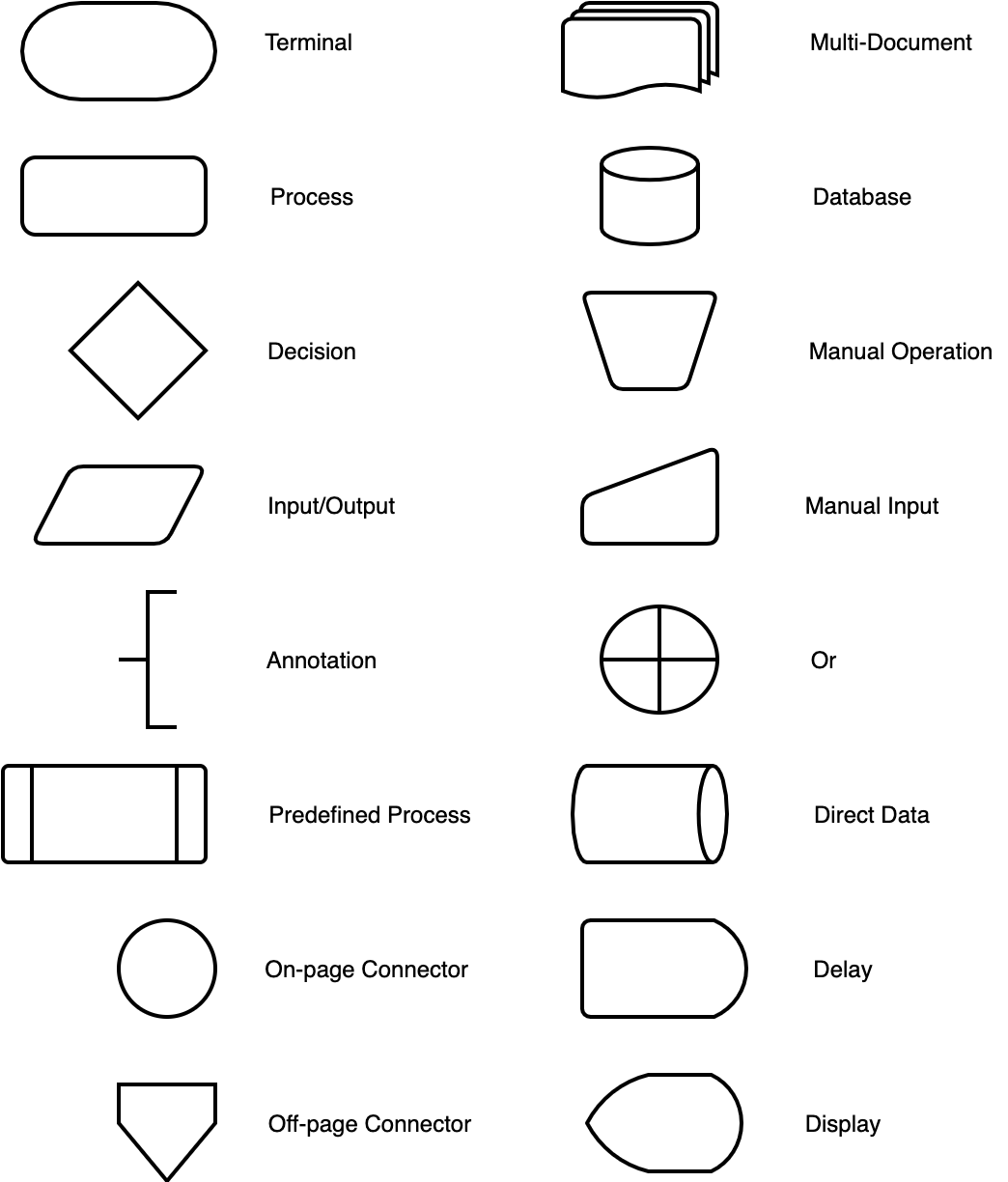
A flowchart is a type of diagram that represents a work process, workflow or computer algorithm. It graphically represents a step-by-step approach used in analyzing, designing, or managing processes. Flowcharts help in visualizing complex processes or make explicit flaws or bottlenecks in a process. The steps in a flowchart are represented in various shapes such as rectangles, ovals, diamonds, circles, and are ordered by connecting 'arrows' to define the sequence or flow. There are different types of flowcharts and each type has its own set of boxes and notations. In addition, flowcharts generally flow from top to bottom and left to right.
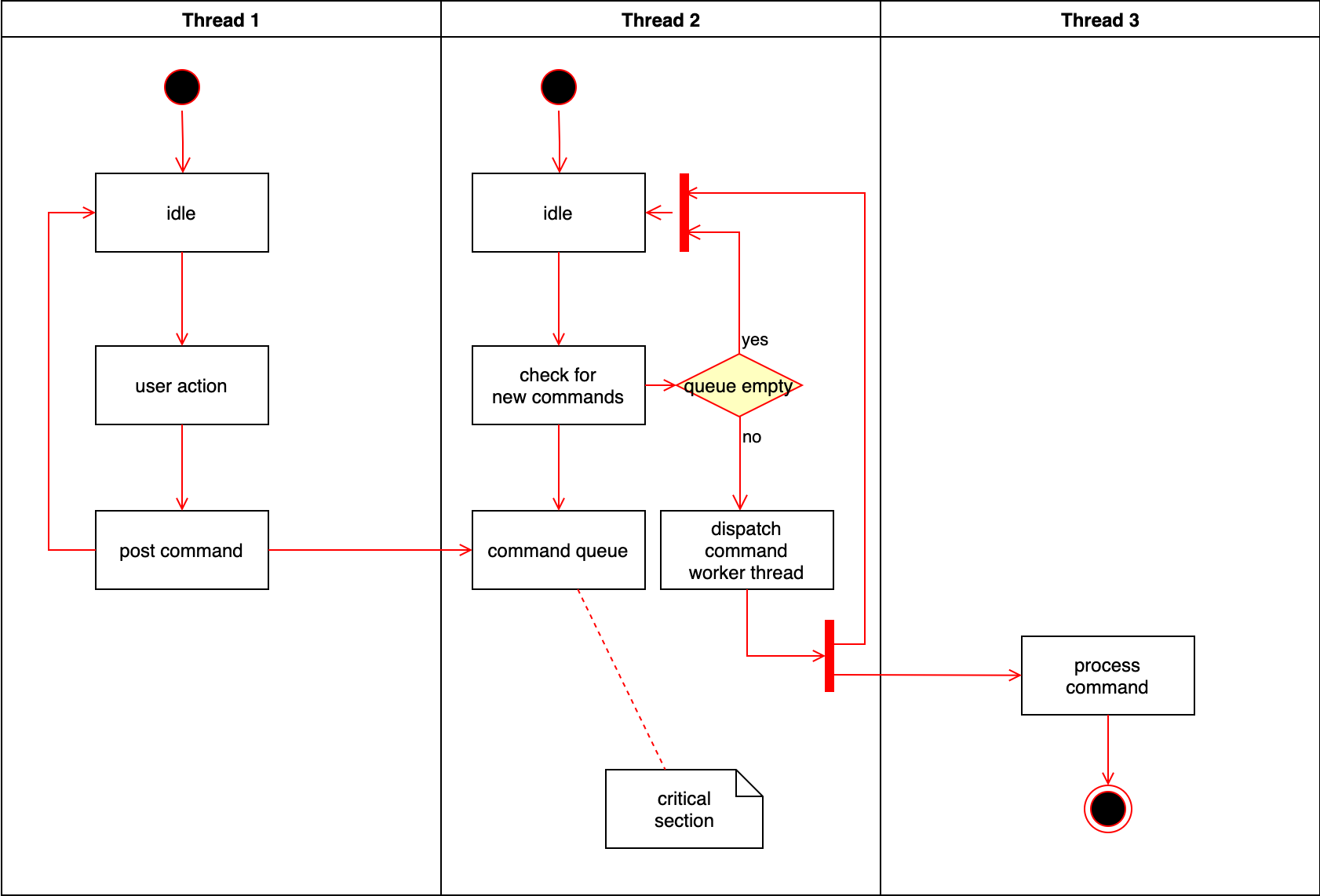
Flowcharts are very versatile, they can be simple charts or comprehensive computer-drawn diagrams. Overall, they are one of the most common diagrams and used by technical and non-technical people in various fields. Flowcharts are referred to other names including: flow chart, process flowchart, functional flowchart, process map, functional process chart, business process model, process model, process flow diagram, work flow diagram, business flow diagram. They are also related to popular diagrams such as Unified Modeling Language (UML) Activity Diagrams.
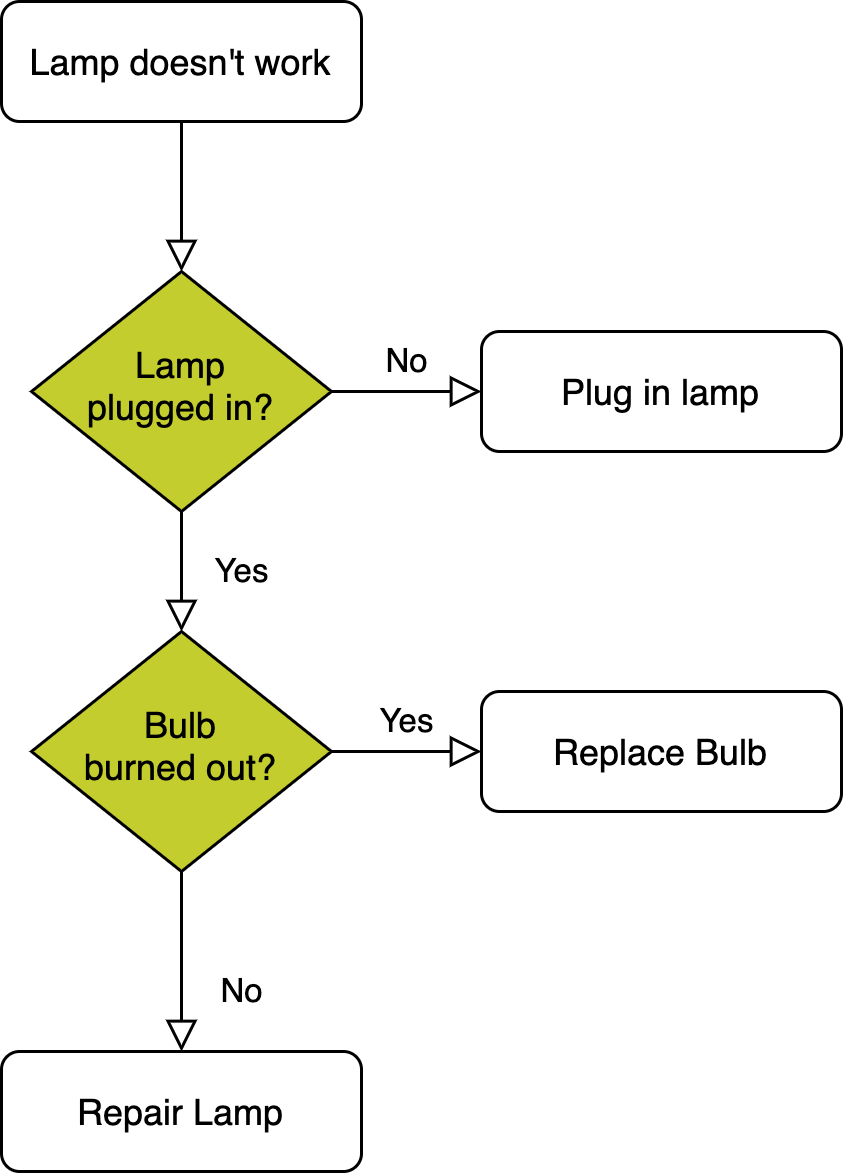
A simple flowchart representing the process dealing with a non-functioning lamp. Source: Draw.io for Confluence